
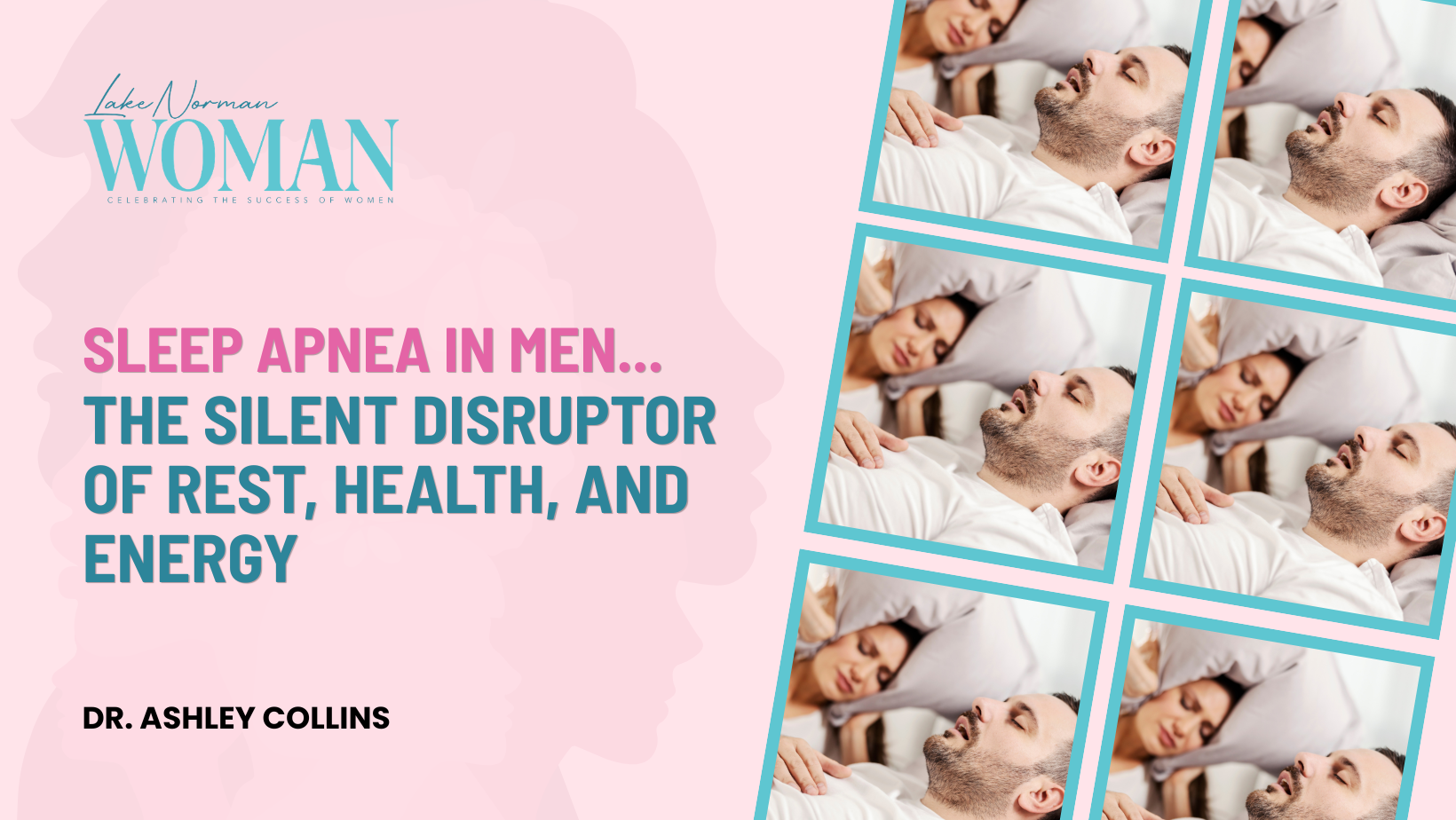
Sleep apnea is one of those conditions that often hides in plain sight—especially in men. It’s far more common than many realize and frequently goes undiagnosed for years. Obstructive sleep apnea occurs when the airway repeatedly collapses during sleep, causing brief pauses in breathing. These interruptions can happen dozens or even hundreds of times a night, preventing the body from reaching deep, restorative sleep. The result isn’t just snoring, it’s fragmented sleep that can affect nearly every system in the body.
Men are statistically more likely to develop sleep apnea due to a combination of anatomy, hormones, and lifestyle factors. A thicker neck circumference, higher rates of weight gain in the upper body, and airway structure all play a role. Left untreated, sleep apnea can contribute to serious health issues including high blood pressure, heart disease, stroke risk, diabetes, and chronic fatigue. Many men don’t realize that constant tiredness, irritability, or difficulty concentrating may actually be signs of disrupted breathing at night rather than just “getting older” or being overworked.
Common Signs to Watch For
- Loud, persistent snoring
- Gasping or choking during sleep (often noticed by a partner)
- Waking up with dry mouth or headaches
- Daytime fatigue or falling asleep easily during quiet moments
- Difficulty concentrating or memory issues
- Irritability or mood changes
Why It Matters More Than You Think
Sleep apnea doesn’t just affect nighttime rest. It impacts long-term health and daily performance. Poor oxygen flow during sleep puts stress on the cardiovascular system and prevents the body from properly recovering overnight. Over time, this can increase inflammation, elevate blood pressure, and contribute to metabolic changes. Even mild cases can affect energy, motivation, and mental clarity, often in subtle ways that are easy to overlook.
What Can Help
The good news is that sleep apnea is highly treatable. Options include lifestyle changes such as weight management, reducing alcohol intake before bed, and improving sleep posture. Medical treatments like CPAP therapy are highly effective, and for some patients, oral appliances provided through dental professionals can help keep the airway open during sleep.
The Bottom Line
Sleep apnea is a serious health condition that deserves attention, especially for men who may brush off symptoms as stress or aging. The earlier it’s identified, the more effectively it can be treated. Better sleep isn’t just about feeling rested; it’s about protecting long-term health, improving daily energy, and enhancing overall quality of life.
Dr. Ashley Collins, owner of Collins Family Dentistry at 6135 Highway 16 S. in Denver, attended the University of North Carolina at Chapel Hill School of Dentistry, graduating with honors. She completed a dental sleep medicine residency at UNC and is recognized as a “Qualified Sleep Dentist” through the American Academy of Dental Sleep Medicine. Connect with Dr. Collins at www.collinsfamilydentistrync.com or call 704.483.4159.