
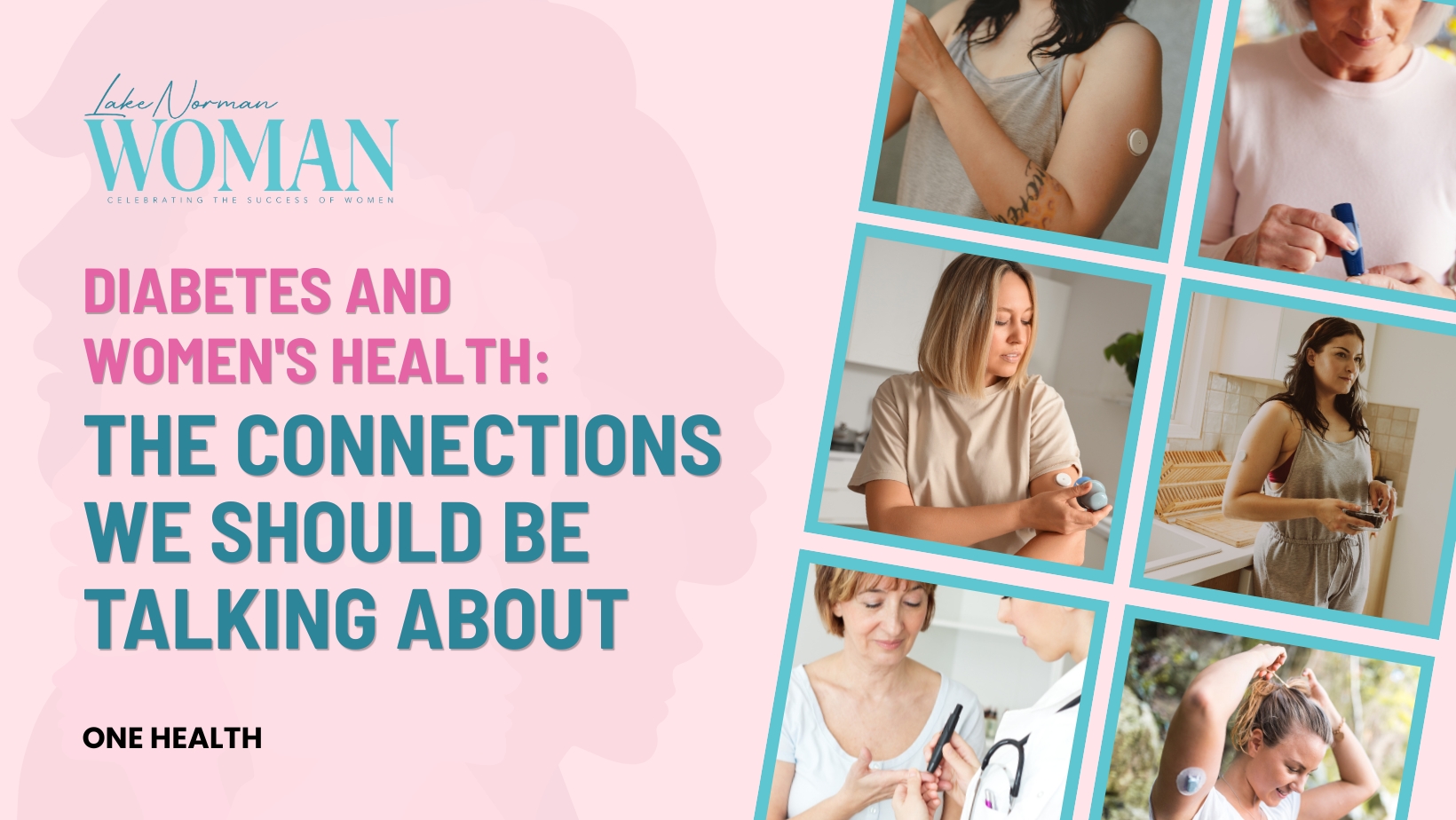
From reproductive health to menopause and beyond, understanding diabetes risk—and maintaining strong relationships with your primary care and OB/GYN providers—can make a lasting difference.
November is American Diabetes Month, a time to raise awareness of a condition affecting millions of Americans. For women, however, the conversation deserves to go beyond blood sugar.
A woman’s annual OB/GYN visit and primary care appointment may seem like entirely different conversations. One might focus on reproductive health or menopause, the other on blood pressure, cholesterol, or blood sugar.
Yet these conversations are more closely connected than many women realize.
- Diabetes Is More Common Than You Think
Millions of Americans live with diabetes or prediabetes, often without noticeable symptoms. Prediabetes occurs when blood sugar is elevated but hasn’t reached the threshold for diabetes.
Early identification matters. For many people, type 2 diabetes can be delayed or prevented through sustainable lifestyle changes, appropriate screening, and ongoing medical care.
- Women’s Health Brings Unique Considerations
A woman’s diabetes risk can change throughout her life.
Polycystic ovary syndrome (PCOS) is associated with insulin resistance. Gestational diabetes, even when it resolves after childbirth, increases the risk of developing type 2 diabetes later. During menopause, hormonal and metabolic changes can also influence blood sugar regulation.
These experiences aren’t isolated events. They’re important chapters in a woman’s overall health story.
- Why Primary Care and OB/GYN Both Matter
Your primary care provider helps monitor blood sugar, blood pressure, cholesterol, and other health risks while coordinating prevention and ongoing care.
Your OB/GYN provider brings expertise in reproductive health, pregnancy, hormonal changes, and menopause.
Together, these providers can connect key details, coordinate appropriate screenings, and develop care plans that recognize the whole person—not just a single diagnosis.
- Five Conversations Worth Having
At your next appointment, consider asking:
- Family history: Does diabetes run in my family, and how does that affect my risk?
- Blood sugar: Should I have my glucose or A1c checked?
- Reproductive health: Does my history of PCOS or gestational diabetes matter?
- Daily habits: What realistic changes could improve my metabolic health?
- Prevention: How should my screening plan change as I age?
Good preventive care begins with meaningful conversations—not simply medical tests.
- Being Known Matters
Healthcare often focuses on numbers: A1c, blood pressure, cholesterol, and weight. These measurements are essential, but they don’t tell the entire story.
They don’t reveal the demands of family, work, aging, or the challenges of making lasting lifestyle changes.
At OneHealth, we believe exceptional care begins with listening, explaining clearly, and including patients in decisions. Strong relationships with primary care and OB/GYN providers help transform isolated appointments into a lifelong partnership.
This American Diabetes Month, remember that awareness, prevention, and screening matter. But so does having a healthcare team that understands your life, not just your laboratory results.
Knowing your numbers is important. Being known by your healthcare team is even better.
OneHealth — Creating the Healthcare We ALL Deserve.