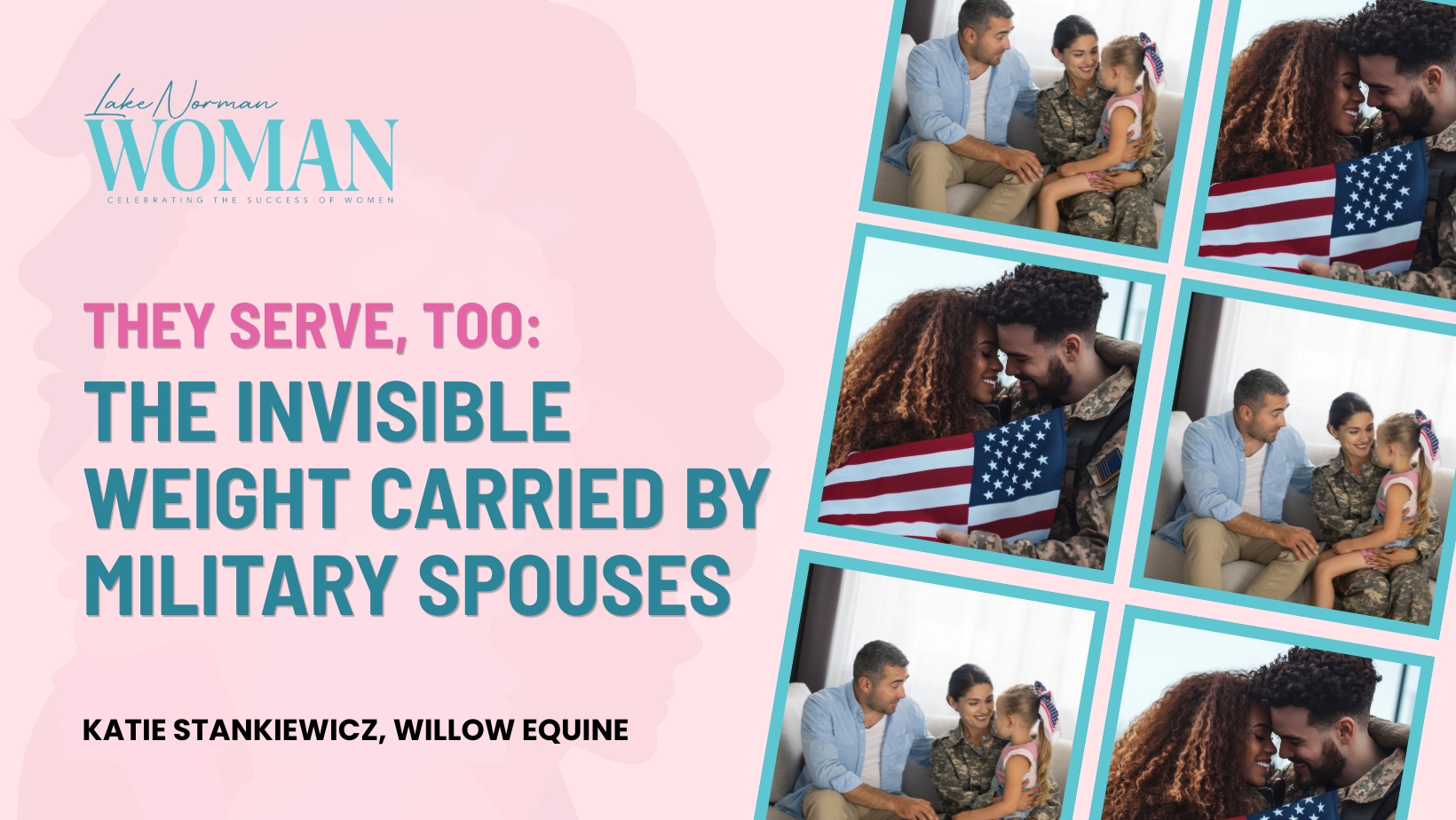
When we visualize military service, we often picture a person in uniform. We see commitment, deployments, sacrifice, and pride. Behind that person often stands someone whose life has also been profoundly shaped by that service: their spouse.
Military spouses may not have taken an oath or worn a uniform, yet they live within the rhythm of military life. They wait for orders. They pack the boxes. Change jobs. Raise children. Answer late-night phone calls. Navigate uncertainty. Celebrate homecomings while quietly wondering what has changed.
Spouses carry burdens that often go unseen.
During deployment, military spouses frequently become the steady point at home while everything around them shifts. They become the primary parent, decision-maker, household manager, emotional anchor, and problem-solver, while also experiencing loneliness, overwhelm, and the persistent awareness that the person they love may be in danger.
The impact of service does not necessarily end when deployment ends. Reintegration brings another period of adjustment as families learn how to live together again. Homecoming can be beautiful, but it is not always simple. The spouse welcoming someone home may discover that returning home and feeling at home are two very different things.
Some service members return carrying experiences that cannot simply be left behind. Sleep and communication may be different. Crowds may feel uncomfortable. For those experiencing post-traumatic stress symptoms such as anger, withdrawal, hypervigilance, nightmares, emotional numbness, or difficulty reconnecting can become part of daily life. When that happens, the entire family feels the impact.
Military families are diverse, and many demonstrate tremendous resilience. When a loved one is living with PTSD, families may adjust routines and behaviors to accommodate symptoms and maintain a sense of stability. Over time, spouses themselves can experience significant stress, exhaustion, and caregiver burden. The service member’s trauma and the spouse’s experience are not the same. The effects of trauma ripple through relationships, marriages, and entire families.
Military spouses are often praised for being strong, adaptable, independent, and resilient. Those words are meant as compliments. Sometimes our admiration for someone’s strength prevents us from noticing their exhaustion.
As we support our military community, our circle of care cannot stop with the service member or veteran. It must include spouses, children, and the entire family system.
Ask them, “How are YOU really doing?”
Then listen. Not only to the answer, but also to what may remain unsaid.
Support can look remarkably ordinary. Bring dinner. Offer childcare. Check in throughout the deployment, not just during the first few weeks. Invite them for coffee. Remember important dates. Continue showing up. Encourage access to mental health support for individuals, couples, and families.
Caring for the person standing beside the service member does not diminish the service member’s sacrifice. It strengthens the family.
When we say we support our military, veterans, and their families, “families” cannot be the quiet word at the end of the sentence … they are part of the mission, too.
Katie Stankiewicz is the founder of Willow Equine and Soul to Sole Connection providing alternative counseling and wellness programs for civilians, veterans, first responders, and their families. Katie also co-hosts The Lake Norman Woman Podcast and is a contributing author to the book, Heart Horse. You can reach Katie at 704.237.0644 or visit www.healingwithhorseslkn.org.