Healthcare should feel like someone walking beside you, not handing you a map and wishing you luck. At its best, it is built on connection, trust, and the belief that no one should navigate illness alone. Yet too often, patients find themselves surrounded by information without feeling truly seen or heard.
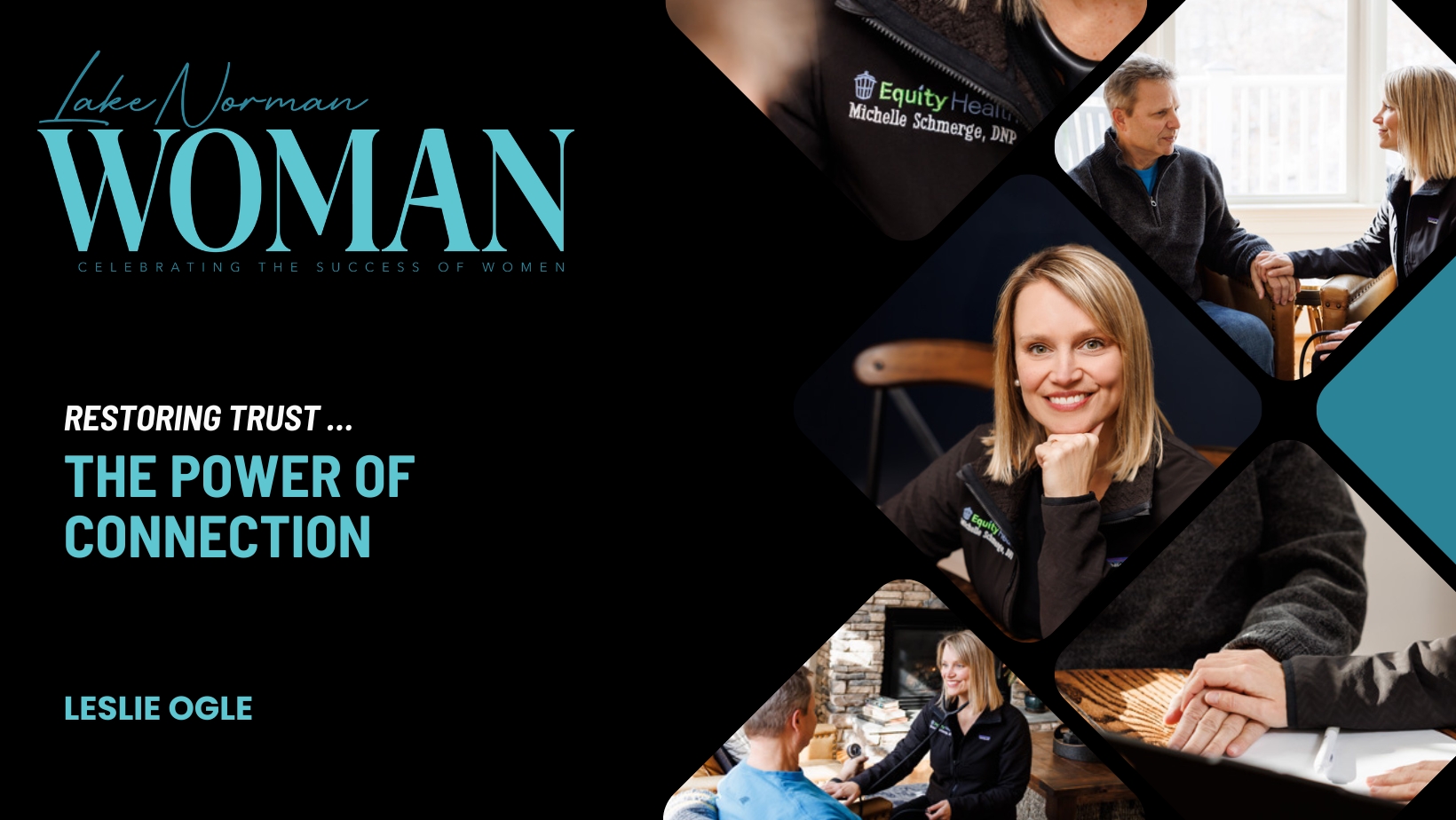
Fortunately, a new vision of care is taking shape. Enter Dr. Michelle Schmerge, founder of Equity Health (VIA Health Partners Company). As a nurse practitioner with a doctorate in Health Policy and Executive Leadership, Dr. Schmerge originally launched her practice to reshape how healthcare works. Rather than treating care as a collection of disconnected services, she integrates primary care, patient navigation, and future-focused planning into a single, accessible system—reducing emergency room visits, lowering hospitalization rates, and helping patients feel healthier, supported, and more confident in their care.
Today, Dr. Schmerge serves as Executive Vice President of Primary and Palliative Care for VIA Health Partners, the region’s largest nonprofit hospice. “By partnering with VIA,” she explains, “I am able to create a more comprehensive, longitudinal approach for seniors—one that guides them through every stage of their health journey. This model ensures continuous support, from chronic disease management to serious illness and, when needed, end-of-life care. I’m thrilled about this partnership. I don’t believe anywhere else in the nation is doing this kind of innovative work for our most vulnerable populations.”
When people feel genuinely cared for, outcomes change. The work Dr. Schmerge and her team do is as much about dignity as it is about diagnoses. Healing happens when science and compassion meet in the same room. Every decision they make is guided by one simple question: Is this going to improve their life?
Dr. Schmerge witnessed this patient-centered care firsthand early in her life—an experience that would shape her calling. “When I was a little girl,” she shares, “I always knew I wanted to care for older people. My paternal grandmother was an insulin-dependent diabetic, and I was inspired by watching her manage her own care. Years later, my maternal grandfather became ill, and I watched him slowly decline and eventually pass away during my freshman year of college. Along the way, I met so many incredible caregivers who left a lasting impression on me.”
Through years of learning and dedication, Dr. Schmerge has come to practice medicine with both skill and intention. In a world of constant demands and tight schedules, she has chosen a quieter way … one built on listening, patience, and genuine regard for those she serves. Here, success is counted not only in outcomes, but in mindful moments of understanding.
“Looking forward,” she says, “I hope to continue building care that honors dignity and respects others. I want to expand access to primary and palliative services and help shape the future of senior medicine for generations to come.”
Balancing a demanding career with family life requires discipline and self-awareness. “I plan each day and look for efficiencies so I never miss family time. Sleep and exercise are essential to that balance. If you care for yourself, you can care for others. When evening arrives, I shift gears and shut off around 4 p.m. My husband laughs that I’m an extrovert during the day and an introvert at night, but it’s my way of decompressing. It allows me to be fully present for him and our children, Kellen and Anna.”
That same belief guides her work every day. For Dr. Schmerge, access means more than availability; it’s about meaningful relationships. When people feel understood and supported, fear softens and healing begins. “I want everyone to feel safe, heard, and never alone,” she says.
Dr. Schmerge is reshaping what healthcare looks like, one patient at a time. Her work reflects a belief that extending life is only part of the mission; honoring it is the rest. That philosophy shows up in unhurried conversations, thoughtful guidance, and an approach to care that values understanding as much as expertise. In the end, her work offers a clear reminder: the most lasting progress in medicine begins with human connection.
Photo credits to Chelsea Bren of Chelsea Bren Photo + Design.