
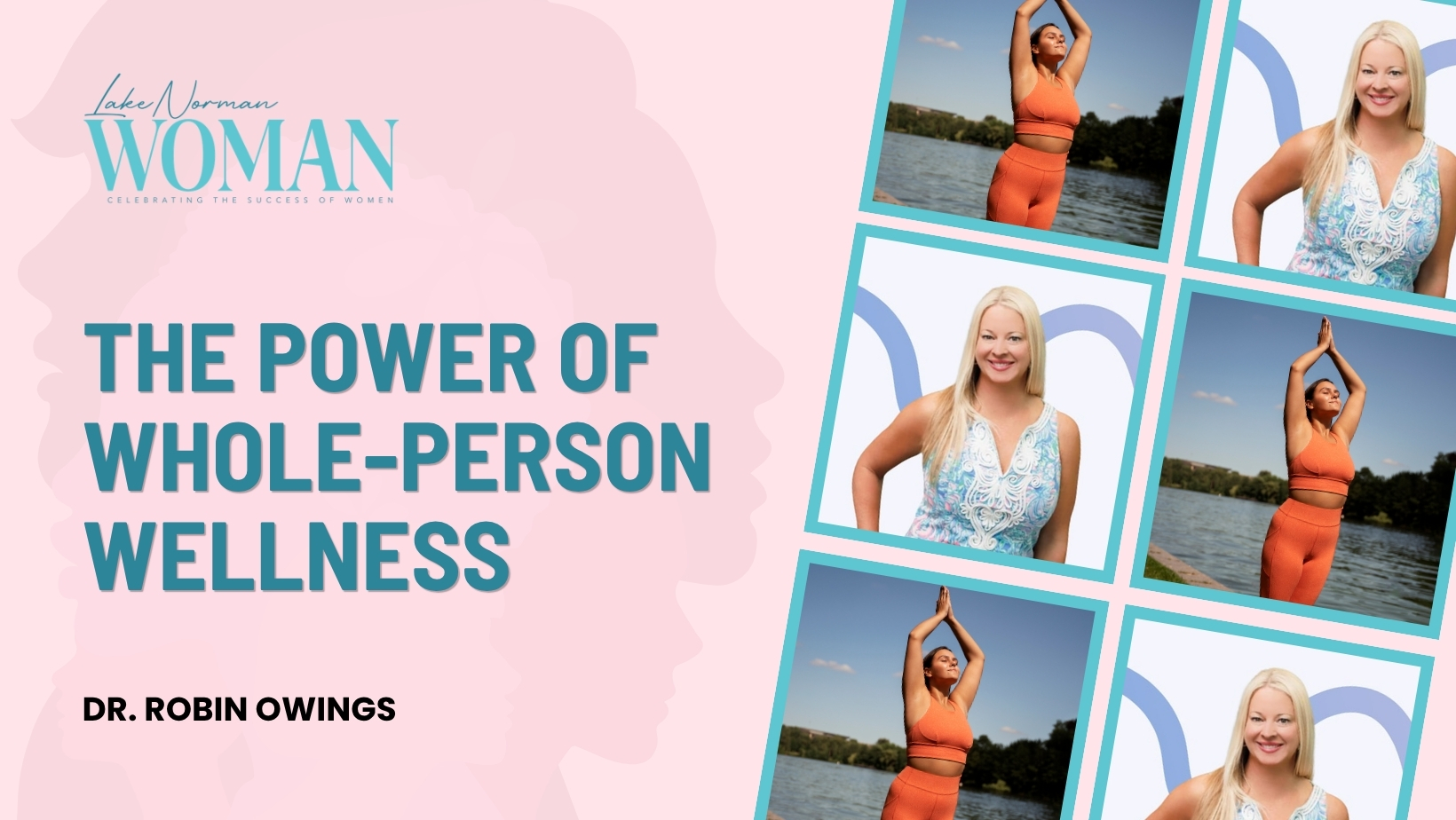
It’s easy to divide our health into separate categories (physical, mental, and emotional) but our bodies don’t work that way. The way we move affects how we think. Stress can show up as headaches or muscle tension. Poor sleep can leave us physically drained and emotionally overwhelmed. When one area of our wellbeing is struggling, the others often feel the impact.
That’s why many health professionals are embracing a more holistic approach to wellness … one that recognizes the body and mind are constantly working together. Rather than focusing on a single symptom, whole-person wellness encourages us to look at the bigger picture and ask a simple question: What does my body need to function at its best?
Listen to What Your Body Is Saying
Our bodies are remarkably good at communicating when something is off. Persistent aches, stiffness, fatigue, poor sleep, headaches, digestive issues, or increased stress may all be signs that it’s time to slow down and pay attention. Instead of ignoring these signals or simply pushing through them, consider them an invitation to evaluate your daily habits. Are you moving enough? Are you sleeping well? Are you managing stress in healthy ways? Are you taking time to recover and recharge? Small changes can make a meaningful difference over time.
Movement Is Medicine
You don’t have to train for a marathon to benefit from movement. A daily walk, stretching, yoga, strength training, swimming, or simply taking breaks from sitting throughout the day can improve flexibility, circulation, posture, and energy levels. For some people, supportive therapies such as chiropractic care, massage therapy, or physical therapy may also play a valuable role in improving mobility and relieving discomfort. The goal isn’t simply to eliminate pain … it’s to help your body move more freely so you can enjoy everyday life.
Caring for Your Mind
Mental wellness deserves the same attention we give our physical health. Chronic stress affects nearly every system in the body, influencing sleep, concentration, digestion, immune function, and even our perception of pain. Creating moments of calm doesn’t have to be complicated. Deep breathing, spending time outdoors, journaling, meditation, meaningful conversations, or simply stepping away from technology for a few minutes each day can help quiet the mind and restore perspective.
Contributed by Dr. Robin Owings
ProWellness Family Chiropractic was founded in 2015 by Dr. Robin Owings with the aim of assisting people in living life at their healthiest. Located at 644 Clark Drive in Lincolnton, you can reach Dr. Owings and her team at [email protected], 704.735.9668, or visit them today at www.prowellnessnc.com.