A burst pipe, failed supply line, overflowing toilet, or leaking water heater can damage a home quickly. Knowing which valve to close—and when not to approach a leak—can help limit damage while professional help is on the way.
Put safety first
Do not step into standing water near outlets, appliances, cords, or an electrical panel. If you smell gas or hear hissing, leave immediately and call 911 and your gas utility from outside. Shutting off the water will not stop a sewer backup, public water-main break, stormwater, or gas leak.
Use the smallest safe shutoff
For a toilet, sink, washing machine, refrigerator, or dishwasher leak, the nearby fixture valve may stop the immediate problem. Use the main water shutoff when a pipe has burst, the source is unknown, several fixtures are affected, or the fixture valve will not stop the flow.
If a valve is stuck, corroded, hidden behind an appliance, or surrounded by water, do not force it. A broken valve can make the emergency worse.
Find your main valve now
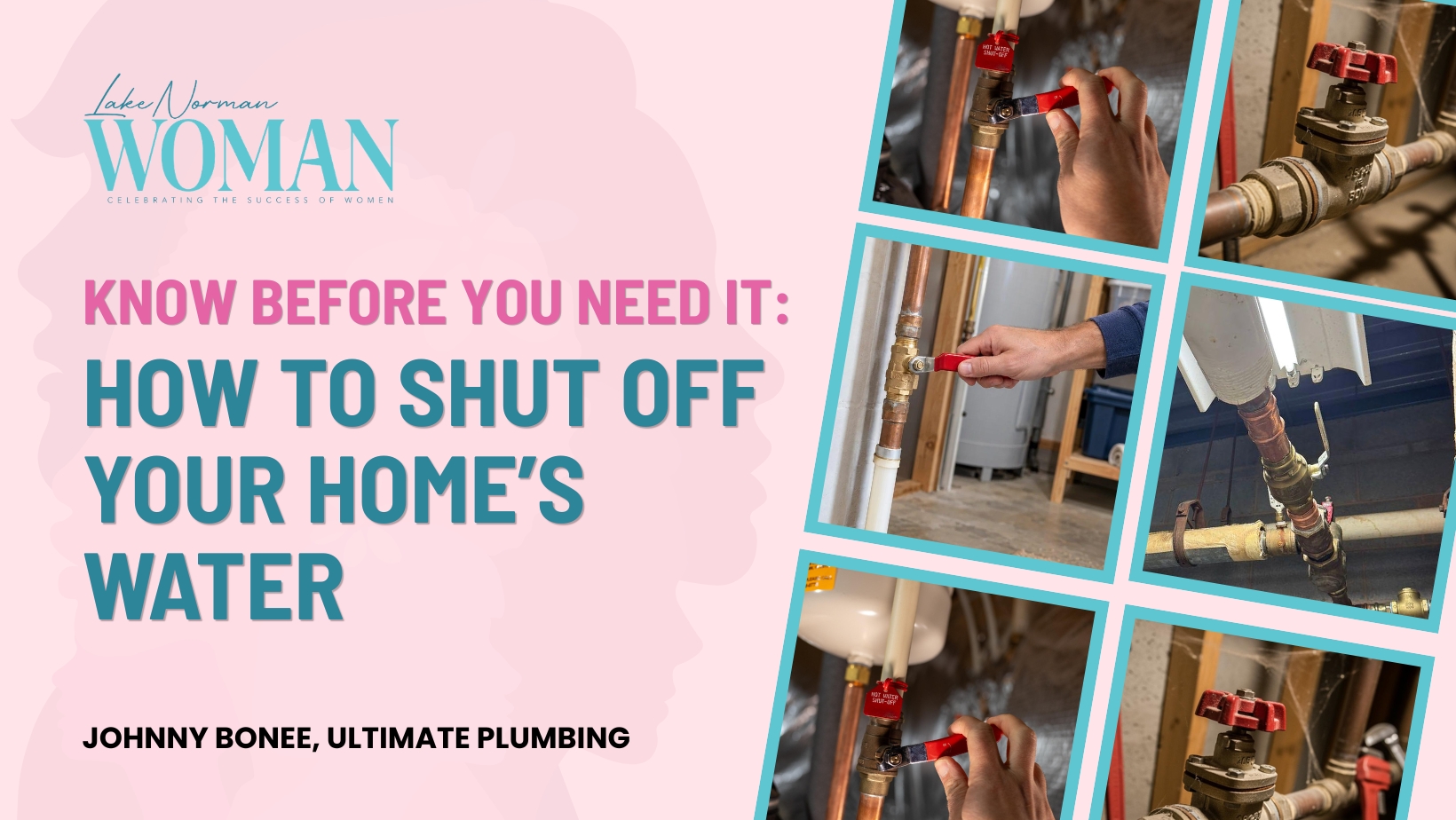
In homes on municipal water, the homeowner’s main shutoff is usually on the house side of the meter where the service line enters the building. Check a basement, crawl space, garage, or mechanical area near the water heater. In a private-well home, it may be near the pressure tank or where the supply enters the house. Apartment and condominium residents should ask property management, since one valve may serve multiple units.
Do not operate a meter or curb-stop valve unless your water provider authorizes it.
Know how your valve works
A lever-handle ball valve is open when the handle is parallel with the pipe. Close it with a quarter-turn until the handle is perpendicular. A round gate valve usually closes clockwise; turn it slowly and stop when snug. Never use a wrench, hammer, or excessive force on a resistant valve.
After the water is off
Open a cold-water faucet briefly in a safe area to release remaining pressure. Call a licensed plumber, avoid affected fixtures and appliances, and do not reopen the valve until the damaged plumbing has been evaluated or repaired.
The best time to prepare is before a leak. Locate and photograph your main shutoff, label it, keep the path clear, and show every responsible adult in the home where it is.
Ultimate Plumbing’s free Lake Norman Emergency Water-Shutoff Guide includes more safety details and a one-page printable checklist:
https://www.ultimateplumbinginc.com/lake-norman-water-shutoff-guide/