Strength doesn’t always roar. Sometimes it whispers quietly for years, waiting for the moment it must finally rise. And when it does, you realize it has been there all along—steady, resilient, and ready to carry you forward on the days you need it most.
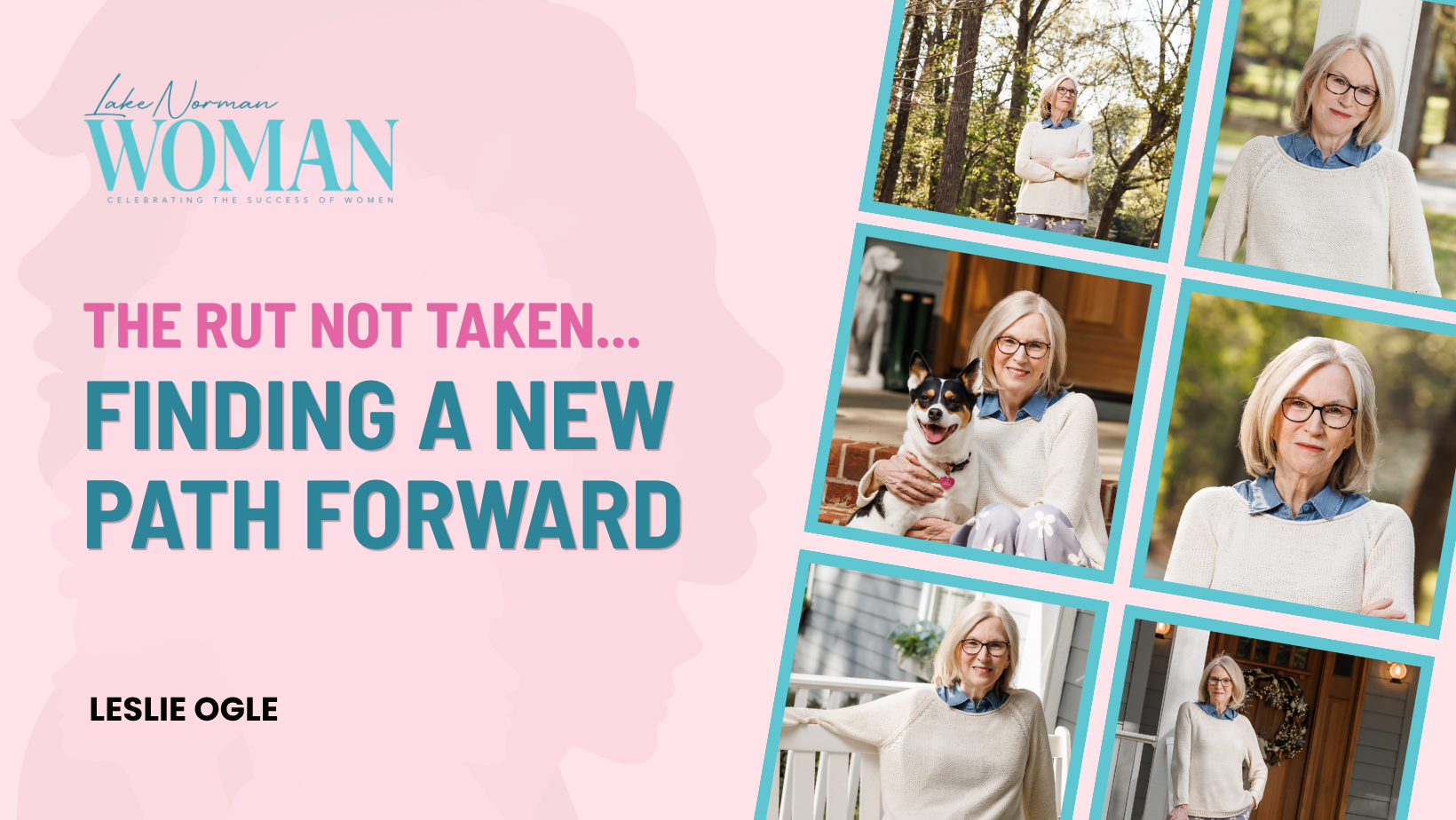
For Ansle Hudson (Certified Divorce Coach and founder of ASH Divorce Coaching), that moment came after more than three decades in a high-conflict marriage. The experience reshaped her world in profound ways and ultimately led her to help others navigate similar storms. Even the name of her practice reflects the resilience she discovered along the way.
While the letters are her initials, they also reference the ash tree known for its remarkable strength and flexibility. For centuries, ash wood has been used to make wagon wheels and chariot axles because it can withstand tremendous weight, and to craft bows because it bends without breaking. It’s a fitting metaphor.
“I walked on all the eggshells,” Ansle shares, “and held on to irrational optimism for years, but through that experience, I learned the strategies to survive and, most importantly, to succeed.”
Ansle’s keen perceptions on life began early. In fact, one of the most powerful examples she uses comes from a childhood memory:
“I grew up on a gravel road,” she recalls. “The kind that developed deep grooves over time—compacted paths carved by the repetition of passing cars. When I rode my bike along those grooves, steering required very little effort. As long as I stayed in the rut, I could glide forward. There was comfort in that predictability. No bumps, no decisions, no surprises. But once each year, a dump truck would spill fresh gravel across the road, and a bulldozer would level everything out, erasing the old grooves. Suddenly the road became unstable with loose gravel and dust flying everywhere.”
Ansle would often park her bike for days, waiting for the road to settle again and eventually new grooves would form. Almost without noticing, she’d find herself riding merrily along once again, confident and unencumbered. Until, much like in life, different ruts were made. New ruts, yes, but ruts all the same. The lesson stayed with her.
“That’s the thing about ruts,” Ansle explains. “They’re easy. Familiar. They keep us moving in a direction without requiring us to make decisions, but they can also limit us. They keep us from detouring—from noticing the pond by the neighbor’s house, the wildflowers growing in the field, and all the other magic that lies ahead.”
Relationships easily fall into similar patterns. Our brains are wired for routine and familiarity. Even when something no longer serves us—or worse, harms us—we default to those well-worn paths. That neurological pull can be powerful.
“Relationship ruts form through repetition, habit, and the neurophysiology of attachment,” she says. “Even when a relationship becomes toxic, the brain can cling to patterns that feel safer than change. For many of my clients, particularly mothers, the decision to leave those patterns behind is complicated by concern for their children. Mothers often carry enormous emotional weight during divorce; but choosing strength and clarity can ultimately model resilience for their children.”
Ansle completed the intensive High Conflict Divorce Coach Certification Program, an eight-week training that focuses on the complicated dynamics of contentious divorces, particularly when abuse or personality disorders are involved. But while certification gave her tools, Ansle believes her personal experience is what allows her to truly connect with clients.
“I get it,” she says simply. “I recognize that it only takes one toxic or abusive individual to create a high-conflict situation. I offer a compassionate, non-judgmental space where people can process their emotions and explore their options. Together, we develop a plan with confidence, clarity, and a necessary mindset shift.”
And sometimes the biggest transformations happen quietly. It’s that rediscovery Ansle hopes to guide others toward. “I’ve had clients tell me they thought they’d never feel like themselves again,” she relays. “But through the process, they discovered a stronger, more confident version of themselves.”
Life can feel overwhelming at times, but you don’t have to face it alone. The bravest step may be the one that leads you away from the familiar ruts. Like the gravel road Ansle traveled as a child—when the dust settles, a new path begins to appear… leading somewhere better than you ever imagined.